LinkedIn account rental guide
LinkedIn Account Rent Requirements: Eligibility Checklist
There are no official LinkedIn account-rental requirements because LinkedIn’s User Agreement restricts account sharing and renting. Third parties commonly screen for account age, genuine connections, real identity, profile completeness, geography, normal activity and restriction history.
What are common LinkedIn account-rent requirements? See the age, connections, activity, geography, verification and security criteria buyers may ask for.
Searches for “LinkedIn account rent requirements” usually come from people who want to know whether their profile would qualify for an offer. The key distinction is that these “requirements” are private buyer criteria. LinkedIn itself does not publish a rental eligibility program and its current User Agreement restricts renting and account sharing.
Buyer criteria are not LinkedIn requirements: Third parties may publish their own age, connection or geography preferences, but LinkedIn’s current User Agreement restricts account sharing, transferring and renting without consent.
Quick answer
Common third-party screening criteria include an established real-name profile, a minimum connection count, account age, normal activity history, target geography, complete work information and no recent restrictions. These criteria vary by buyer and should not be confused with LinkedIn-approved requirements.
This is an eligibility/criteria explainer, not a recommendation to rent an account. If your real question is whether you should give a LinkedIn account on rent, review the decision and security risks separately.
Requirement 1: a real, established profile
Buyers often prefer profiles that appear authentic: a real name, photo, credible work history and normal use over time. A blank or recently created account may be less attractive because it lacks context.
This is a market preference, not permission to create or transfer identities. LinkedIn requires members to use their real identity.
Requirement 2: connection count
Some offers begin at 100 connections, while others ask for 300, 500 or more. The threshold may depend on the buyer’s target market and use case. Network quality matters too—relevant genuine contacts can be more valuable than random connections.
If you are below 100 genuine connections, see our guide on how to get 100 LinkedIn connections
Related reading: 500 connections requirement.
Requirement 3: account age and history
Older accounts may have stronger trust signals because they contain more history and normal activity. Third parties may therefore ask when the account was created or how long it has been actively used.
There is no official six-month or one-year LinkedIn rental minimum. Treat any stated threshold as the buyer’s rule only.
Related reading: old LinkedIn account requirements.
Requirement 4: target geography and industry
A buyer may want profiles in a specific country, city or profession because its recruiting or sales campaign targets that audience. That means two equally strong accounts can receive different interest depending on location and network composition.
Do not change your identity or work history merely to fit a buyer’s requested geography.
Related reading: LinkedIn account rental India.
Requirement 5: account status and security history
Third parties may ask whether the profile has been restricted, recently recovered or subject to unusual security checks. Frequent problems can make the account less useful to them.
For the owner, the more important objective is to keep the account secure: use a unique password, two-factor authentication and a protected email address.
Requirement 6: verification and identity signals
Some buyers may ask whether the account has identity, workplace or education verification. Verification can increase credibility, but it also ties the profile more strongly to the real owner.
Never share identity-service credentials or verification OTPs with a third party. Use LinkedIn’s official verification flows only.
A self-audit before you respond to any buyer
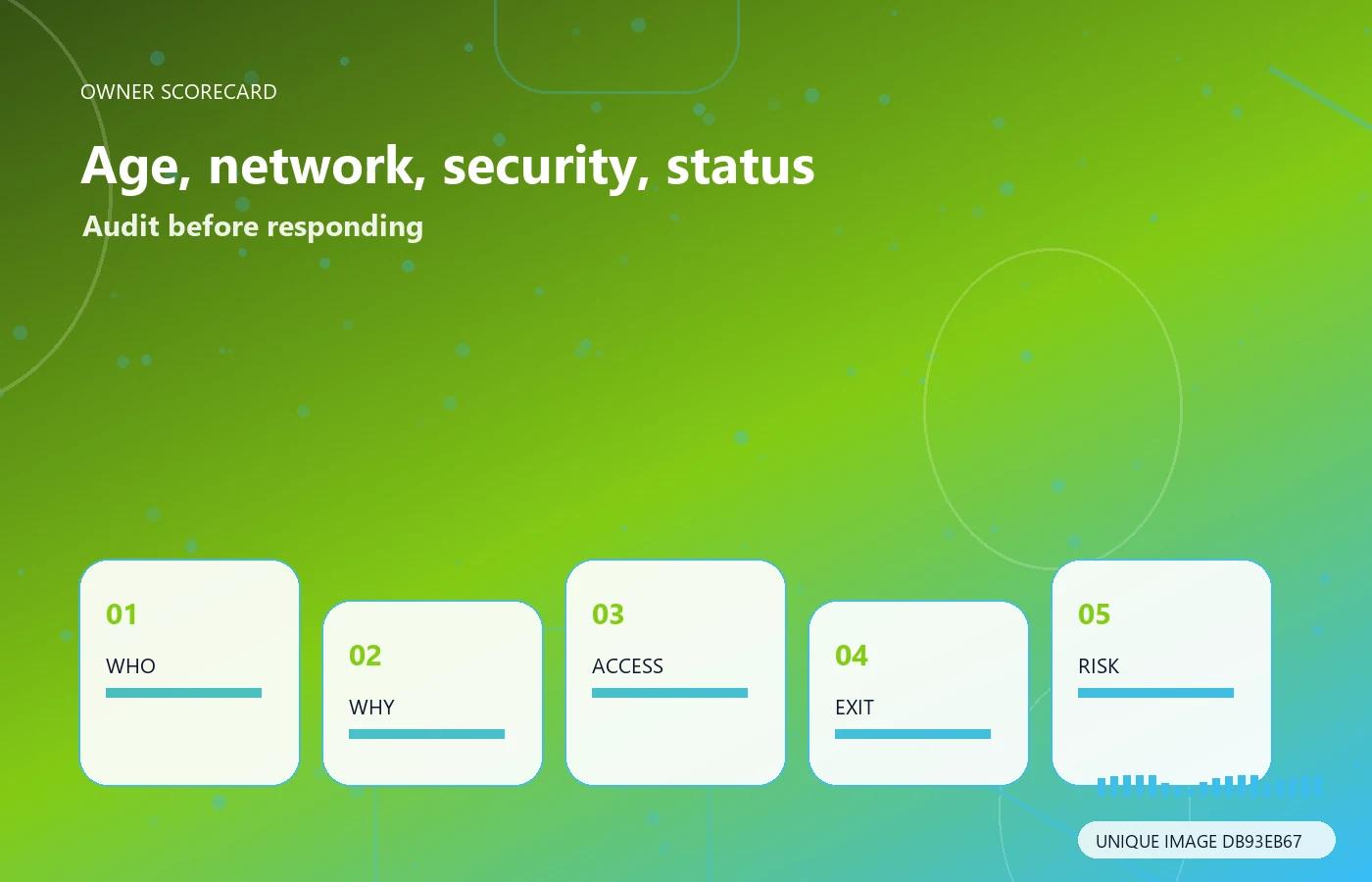
Check whether the profile name and experience are accurate, whether the linked email is secure, whether two-factor authentication is enabled, whether there are active sessions you do not recognize, whether the connection network is genuine and whether any private messages contain sensitive client or employer information.
This audit is useful even if you decide not to pursue an offer. It turns a rental inquiry into a reason to improve account security.
What not to change just to meet a requirement
Do not falsify your location, employer, name, education or identity to satisfy a buyer. Do not add hundreds of random connections overnight simply to cross a threshold. Do not disable security settings because someone says they make access easier.
An account becomes professionally valuable by being authentic and useful. Changes that damage authenticity can reduce long-term value even if they help you pass one private screening checklist.
A practical eligibility scorecard—without pretending it is official
For your own analysis, score the profile from 0 to 2 on six areas: real identity and completeness, account age, genuine connection quality, normal activity, secure account setup, and clean restriction history. A higher score simply means the profile is mature and professionally useful.
Do not present the score as an official LinkedIn rental grade. Its purpose is to help you understand why a third party may be interested and, more importantly, why the account may be valuable enough that you should protect it.
Why buyer requirements can change over time
Private criteria are not stable. A buyer that wanted 100+ connections last month may later prefer 500+, a different country or a specific industry. Changes can reflect campaign needs, demand, platform changes or the buyer’s own internal risk controls.
That is another reason not to reshape your professional identity around a single rental checklist. Build a credible profile for your own long-term use, then evaluate any incoming offer against the account’s real value to you.
The most important requirement: understand the platform rules
LinkedIn’s User Agreement says members should not share or transfer accounts and prohibits renting, leasing, loaning, trading, selling/reselling or otherwise monetizing access without LinkedIn’s consent.
Current policy: LinkedIn User Agreement.
So there is no checklist that turns an ordinary account-rental arrangement into a LinkedIn-approved one. Any private eligibility list exists outside LinkedIn’s official rules.
Separate buyer preferences from official requirements
Create two columns when you evaluate a request: “third-party preference” and “official LinkedIn rule.” Account age, geography, connection count or verification may be buyer preferences; they are not official rental eligibility criteria. The official rule question is separate and should be checked against LinkedIn’s current User Agreement and Help Center.
This distinction prevents a private buyer’s checklist from being mistaken for platform approval.
Frequently asked questions
What is the minimum age for a LinkedIn account to be rented?
There is no official rental minimum. Third-party preferences vary.
How many connections do I need?
Some buyers ask for 100, 300 or 500+, but there is no universal threshold.
Does my account need to be verified?
Not universally. Some third parties may prefer verified profiles, but LinkedIn verification is not a rental permission.
Can a previously restricted account qualify?
A private buyer may decide either way, but prior restrictions can indicate account risk. Do not hide security history if you are evaluating an arrangement.
Are these requirements approved by LinkedIn?
No. They are private market preferences. LinkedIn’s User Agreement separately restricts account sharing and renting without consent.
Final takeaway
If you are checking whether your account “qualifies,” separate buyer preferences from official platform rules. Account age, connections and geography may affect private interest, but the most important considerations remain security, professional reputation and LinkedIn’s restrictions on account sharing and monetization.
Next step: Use our guides to compare common buyer criteria with the risks before you make a decision. Explore LinkedInRental.in
Sources and policy references
Next step
Compare the offer before sharing access
Review eligibility, payment, access scope and exit terms before making a decision. Keep your recovery controls private and ask for the intended activity in writing.