LinkedIn account rental guide
Can I Rent Out My LinkedIn Account? What to Know in 2026
People do receive offers to rent out established LinkedIn profiles, but LinkedIn’s User Agreement says members should not share or transfer accounts and prohibits renting or monetizing access without consent. Before responding to any offer, understand the policy, security, identity, reputation and payment risks.
Thinking of renting out your LinkedIn account? Learn how rental offers work, the key risks, LinkedIn rules, and what to verify before you decide.
If you searched “rent out my LinkedIn account,” you have probably received an offer, seen an ad promising monthly income, or heard that established profiles can be valuable to recruiters and outbound teams. The offer may sound simple: someone pays you for access to a profile you already own. In practice, the decision is more complicated because your LinkedIn profile represents your real professional identity, network, messages and reputation.
Policy context: LinkedIn’s current User Agreement says members should keep passwords secret, not share or transfer accounts, and not rent or otherwise monetize access without LinkedIn’s consent. Treat this page as decision-support information, not as permission from LinkedIn.
Quick answer
Yes, there is a market in which third parties offer money for access to established profiles. However, this is not the same as renting a physical asset. Your LinkedIn account is tied to your identity, connections and activity history, and LinkedIn’s current rules restrict sharing, transferring and monetizing access. Treat any rental offer as a security and reputation decision, not just a side-income opportunity.
What does “renting out a LinkedIn account” usually mean?
The phrase normally refers to giving another person or company some level of access to an established personal profile in exchange for payment. The exact arrangement can vary. Some offers ask for full login access, some describe a managed-service arrangement, and others simply ask whether a profile owner is willing to participate in outreach or recruitment activity.
For SEO and for your own decision-making, keep one distinction clear: an account owner remains responsible for what happens through the account. LinkedIn’s User Agreement says members are responsible for activity through their account unless they close it or report misuse. That means you should understand exactly who would use the profile, what they would do, what data they could see, and what happens if the relationship ends.
Why would someone pay to use an established LinkedIn profile?
Established profiles can have characteristics that are difficult to recreate quickly: a real identity, account history, genuine connections, work history and a network that already trusts the person behind the profile. Recruiters, sales teams and lead-generation businesses may value access to real networks because outreach from an established profile can appear more credible than outreach from a new or empty profile.
That does not make every offer legitimate or compliant. The important point is to understand the buyer’s intended activity. Ask what messages will be sent, whether the profile will be edited, whether job posts will be created, whether contacts will be exported, and whether any automation is involved. If the other party refuses to explain the use case clearly, that is a major warning sign.
What do LinkedIn’s current rules say?
LinkedIn’s User Agreement is unusually clear on account control. It says members should keep passwords secret and should not share or transfer their account. In the “Don’ts” section, LinkedIn also says members should not rent, lease, loan, trade, sell/resell or otherwise monetize the Services or related data or access without LinkedIn’s consent.
Read the current LinkedIn User Agreement yourself before making a decision.
This matters because a paid arrangement can still expose the account to restrictions even if the other party pays on time and does not intend to scam you. A real payer and a policy-compliant arrangement are not the same thing.
What are the biggest risks to the account owner?
The first risk is loss of control. Anyone with account access may be able to read messages, contact connections, edit profile information or change security settings. The second risk is reputation: messages sent in your name can affect how colleagues, recruiters, clients and former employers see you. The third risk is platform enforcement if activity violates LinkedIn rules. The fourth risk is privacy because your inbox and connection graph can contain information about other people.
A good mental model is to value the account as a professional identity asset, not as an unused social-media login. If losing the profile tomorrow would damage your career or business, any payment offer should be weighed against that downside.
Related reading: is LinkedIn account rental safe.
How should you evaluate an offer before sharing anything?
Start with verification rather than credentials. Ask for the legal or trading name of the company, a working website, a business email, a written description of the intended use, the exact duration, payment terms, responsibility for restrictions, and a clear termination process. Search the company independently instead of relying only on links sent in a DM.
Do not treat screenshots of payments, Telegram groups, anonymous testimonials or promises of “zero risk” as proof. A credible counterparty should be able to explain its identity, purpose and process without pressuring you to hand over access immediately. Never send passwords, OTPs, recovery codes or identity documents to an unknown person just to “verify eligibility.”
Related reading: LinkedIn account rent payment.
What factors make an account attractive to people making rental offers?
Common market preferences include account age, a complete real-name profile, genuine connections, normal activity history, a clear location, a professional headline and an account that has not been repeatedly restricted. Some buyers also ask for a minimum number of connections such as 100, 300, 500 or more.
These are market preferences, not official LinkedIn rental requirements. LinkedIn does not publish a legitimate “rental eligibility” standard because its User Agreement restricts renting and sharing. If you are trying to build your network legitimately, see our guide on how to get 100 LinkedIn connections
Related reading: LinkedIn account rent requirements.
What should you do if you already shared access?
If you believe another person has access and you no longer want them to, prioritize account security. Change the password, review active sessions, enable two-factor authentication and secure the email address connected to the account. If you cannot regain access or the profile is restricted, use LinkedIn’s official recovery process.
See LinkedIn’s account security best practices. See LinkedIn’s account recovery guidance.
Do not wait for the next payment cycle if you suspect misuse. The value of stopping unauthorized activity quickly is usually much higher than a small remaining payment.
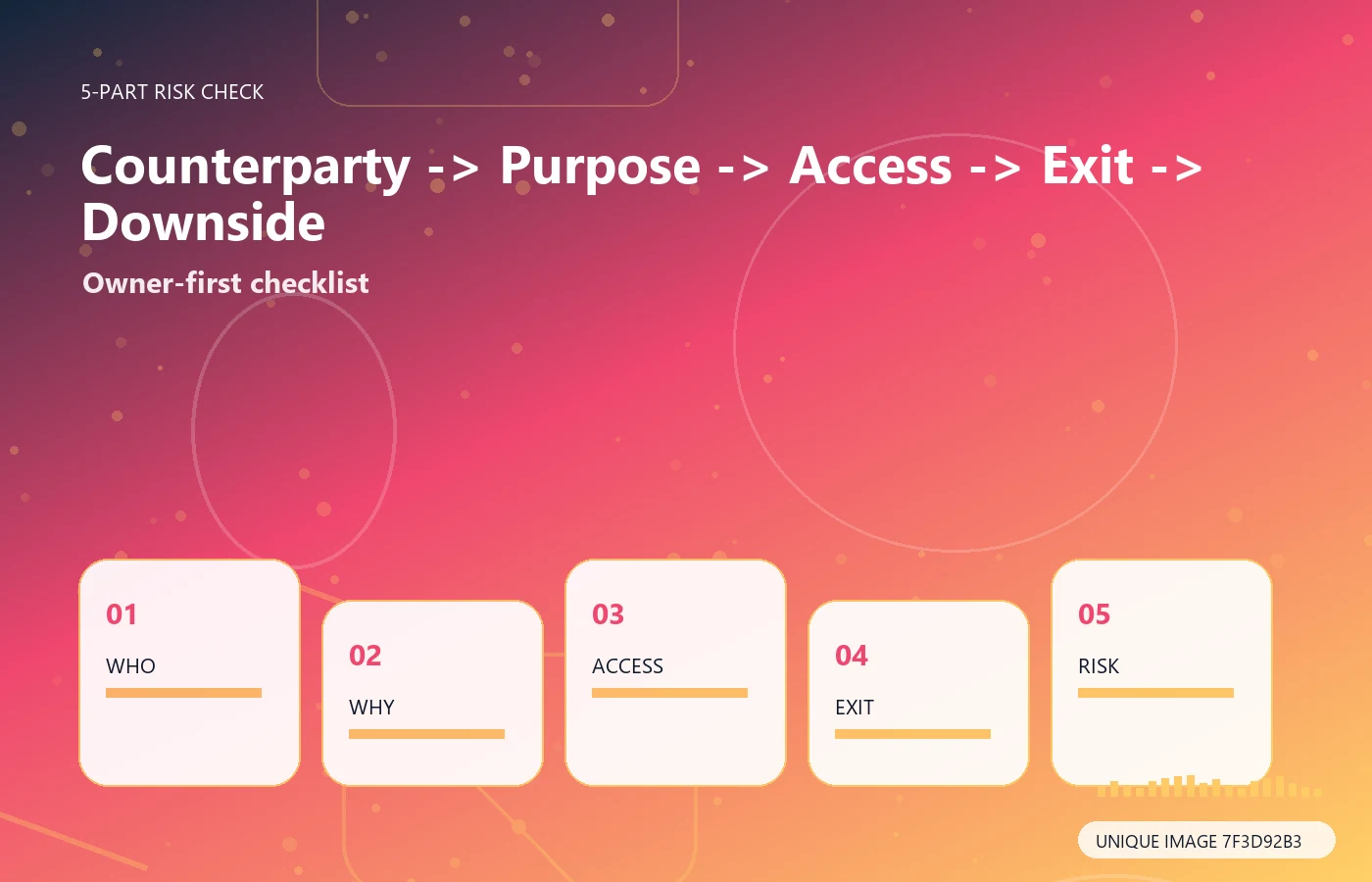
LinkedInRental.in 5-part decision check
Use this framework before you evaluate any promised payment:
- Counterparty: Can you independently verify the person and company?
- Purpose: Is the exact activity on your profile explained in writing?
- Access: Are they asking for a password, OTP, recovery code, email access or cookies?
- Exit: Can you end the arrangement without losing control of your account?
- Downside: Would you accept the reputational and account-access consequences if the activity became public?
This is an editorial decision framework created for this guide; it is not an official LinkedIn scoring system.
Frequently asked questions
Can I legally rent out my LinkedIn account?
The answer depends on local law and the exact arrangement, but platform rules are separate from local law. LinkedIn’s User Agreement restricts sharing or transferring accounts and prohibits renting or monetizing access without LinkedIn’s consent. If legal exposure matters to you, get advice for your jurisdiction.
How much can I earn by renting my LinkedIn account?
There is no official or universal rate. Offers vary by profile age, connection count, geography, activity history and the buyer’s use case. Treat unusually high guaranteed payments as a reason to investigate more carefully, not as proof of a better opportunity.
Is a 500-connection account more valuable?
It can be more attractive to some third parties because the profile has a larger visible network, but 500 connections is not an official LinkedIn rental threshold. Quality and authenticity of the profile matter more than a single number.
Should I share my password or OTP to get paid?
Do not share passwords, one-time codes or recovery information with unknown parties. LinkedIn recommends keeping passwords private and using two-factor authentication.
Can my profile be restricted if someone else uses it?
Yes, restrictions are possible when account activity violates LinkedIn policies or triggers security concerns. The account owner may then have to complete recovery or identity verification.
Final takeaway
If your goal is simply to make extra income, do not evaluate a LinkedIn rental offer only by the monthly payment. Evaluate the counterparty, the intended activity, the platform rules, the downside to your professional identity and the exit process. A good decision is one you would still be comfortable with if every action taken through the profile were visible to your professional network.
Next step: If you are researching account-rental offers, start with our eligibility and risk information before contacting anyone. Review LinkedInRental.in
Sources and policy references
Next step
Compare the offer before sharing access
Review eligibility, payment, access scope and exit terms before making a decision. Keep your recovery controls private and ask for the intended activity in writing.